
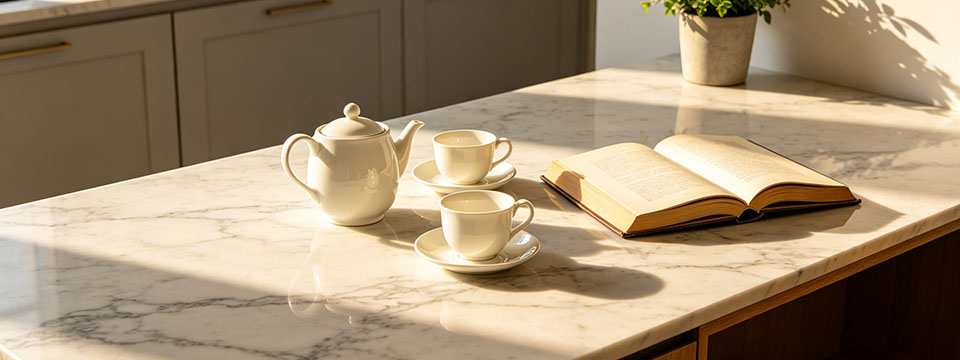
1. Understanding Natural Stone Characteristics
Natural stone surfaces—whether marble, granite, or quartzite—are valued for their durability and unique aesthetics. However, each material has distinct physical properties that influence how it should be maintained. Understanding these differences is essential for ensuring long-term performance without unrealistic expectations.
Key characteristics
- Marble: A calcium-based stone that is relatively soft and can be sensitive to acidic substances, which may cause etching.
- Granite: Denser and generally more resistant to scratches and stains, making it suitable for high-traffic areas.
- Quartzite: Known for its hardness and durability, though it can still be porous and typically benefits from periodic sealing.
Proper maintenance does not require complex procedures; rather, it involves consistent care and informed product selection.
2. Daily Cleaning: Simple and Effective Practices
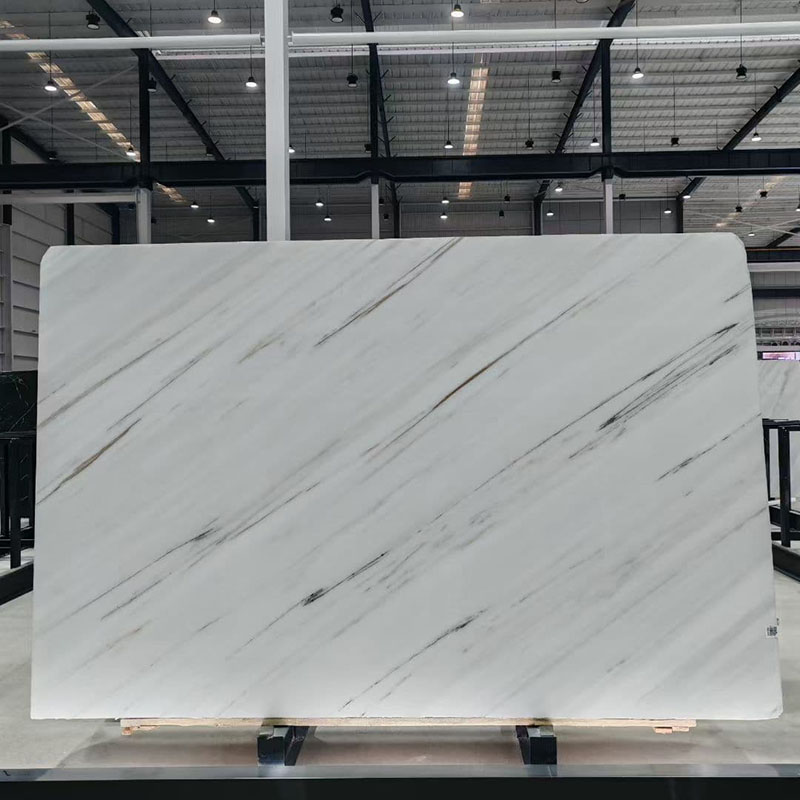
Routine cleaning is the most effective way to preserve the appearance of natural stone. Gentle methods are usually sufficient and help prevent long-term damage.
Recommended daily practices
- Use a soft microfiber cloth or sponge to remove dust and residues.
- Clean surfaces with a pH-neutral stone cleaner or mild soap diluted in water.
- Wipe spills promptly, especially on marble, to reduce the risk of staining or etching.
- Dry the surface after cleaning to minimize water spots.
Products to avoid
- Acidic cleaners such as vinegar or lemon-based solutions.
- Abrasive pads or powders that may scratch the surface.
- Harsh chemicals like bleach or ammonia, which can degrade sealants.
These straightforward steps help maintain the stone’s natural beauty without unnecessary complexity.
3. Sealing: When and Why It Matters
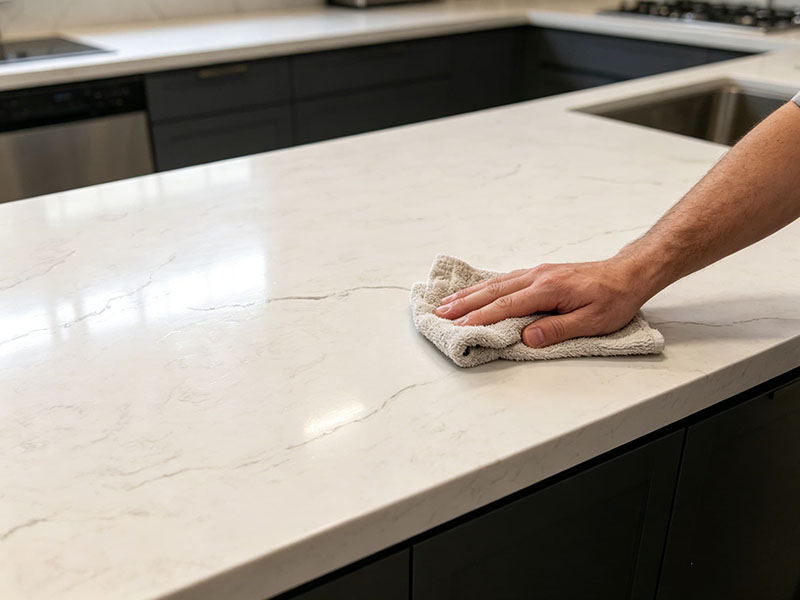
Sealing is an important aspect of natural stone care, particularly for marble and quartzite. A penetrating sealer reduces the stone’s porosity, helping to limit the absorption of liquids and stains. It is important to note that sealing does not make the stone completely stain-proof or prevent etching.
General sealing guidelines
- Marble: Typically requires sealing every 6–12 months, depending on usage.
- Granite: May need sealing every 1–3 years, as many varieties are naturally dense.
- Quartzite: Usually benefits from sealing every 1–2 years.
Simple water test
- Place a few drops of water on the surface.
- If the water darkens the stone within several minutes, resealing is recommended.
Consulting with the supplier or installer is advisable, as maintenance needs can vary based on the specific stone and finish.
4. Preventive Measures for Long-Term Protection
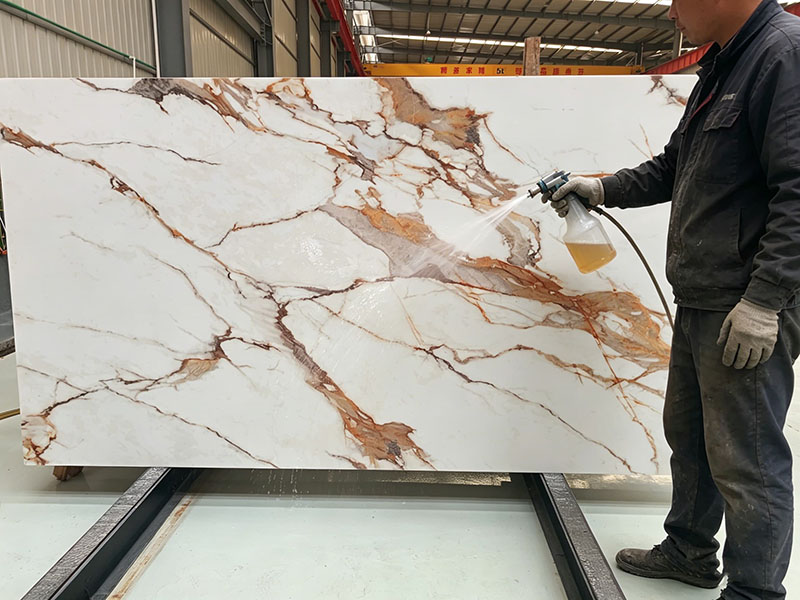
Preventive care plays a crucial role in extending the lifespan of natural stone surfaces. Small habits can significantly reduce wear and the need for repairs.
Practical preventive tips
- Use coasters under beverages to prevent moisture rings and potential staining.
- Place cutting boards on countertops to avoid scratches.
- Utilize trivets or heat pads for hot cookware, particularly on marble.
- Install mats or rugs in high-traffic areas to minimize abrasion on stone flooring.
- Avoid standing water in bathrooms or kitchens to reduce mineral buildup.
These measures are simple yet effective in preserving both the functionality and appearance of natural stone.

5. Addressing Common Issues
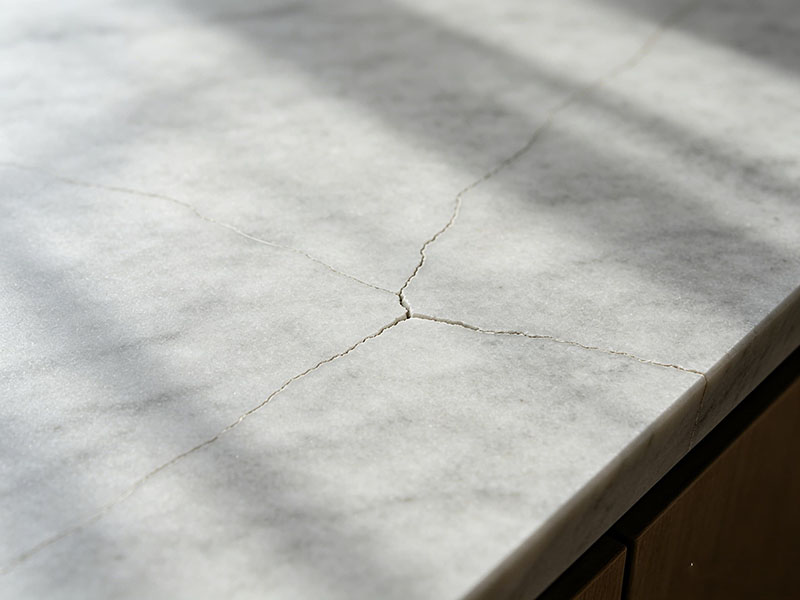
Even with proper care, natural stone may develop minor imperfections over time. Understanding how to address these issues helps maintain realistic expectations.
Common concerns and solutions
- Etching (Marble): Caused by acidic substances; typically requires professional polishing for restoration.
- Stains: Often removable with appropriate poultice treatments designed for stone.
- Scratches: Minor scratches may be minimized through polishing; deeper damage should be handled by professionals.
- Loss of Shine: Periodic professional honing or polishing can restore the original finish.
Regular inspection and timely maintenance ensure that small issues do not develop into more significant problems.
Conclusion
Maintaining natural stone surfaces such as marble, granite, and quartzite is straightforward when guided by realistic expectations and consistent care. While each material has unique characteristics, all benefit from gentle cleaning, periodic sealing, and preventive protection.
Rather than requiring intensive maintenance, natural stone simply demands informed and routine attention. With proper care, these materials can retain their aesthetic appeal and functional performance for decades, making them a reliable and enduring choice for both residential and commercial applications.