1. Stone in Ancient Civilizations: From Memory to Faith
Ancient civilizations poured their worldview and faith into stone selection and use—the weight of stone equals the weight of civilization.
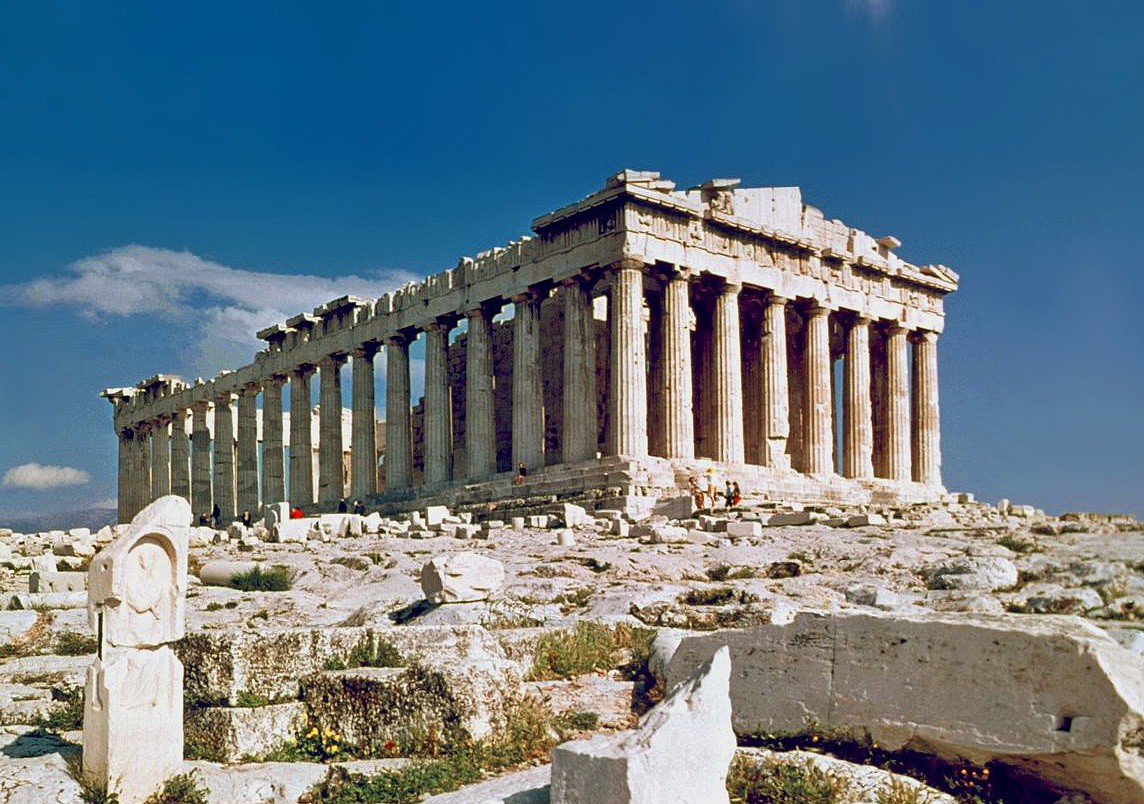
• Parthenon (Greece): Framed by white marble, its pure stone and symmetrical columns reflect reverence for "divine order" and convey the "rational beauty" of classical aesthetics.
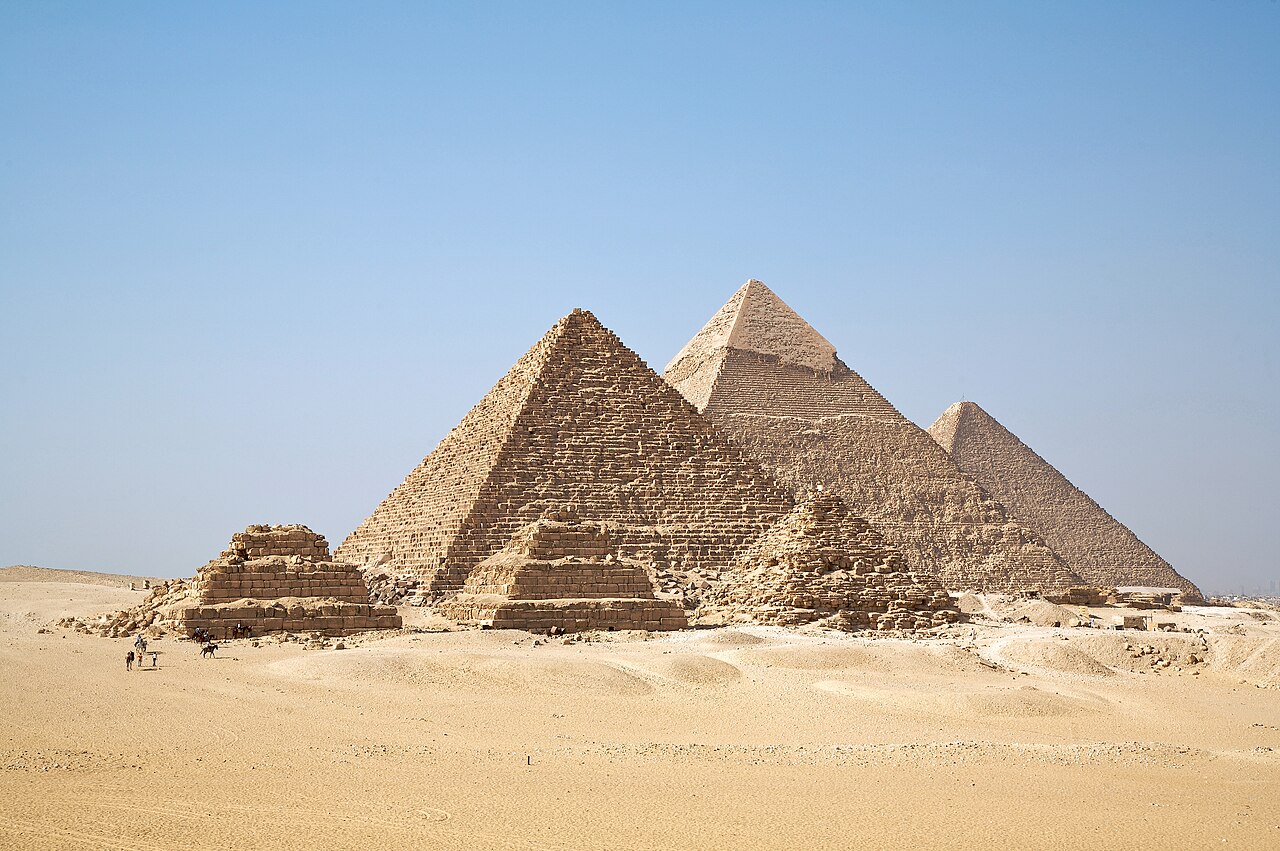
• Egyptian Pyramids: Granite supports tomb structures, while limestone covers exteriors. The hard stone has withstood millennia of sandstorms, embodying hopes for pharaohs’ "eternal souls".
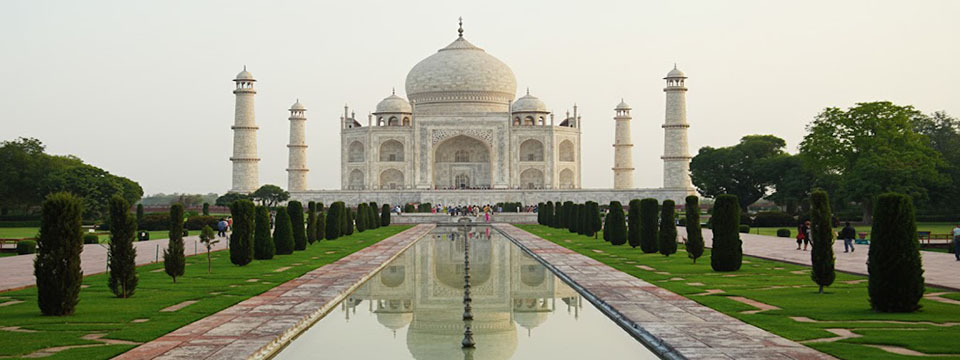
• Taj Mahal (India): Clad entirely in white marble, the stone’s purity and translucency symbolize the Mughal emperor’s "pure love" for his wife—turning the building into a "love poem in stone".
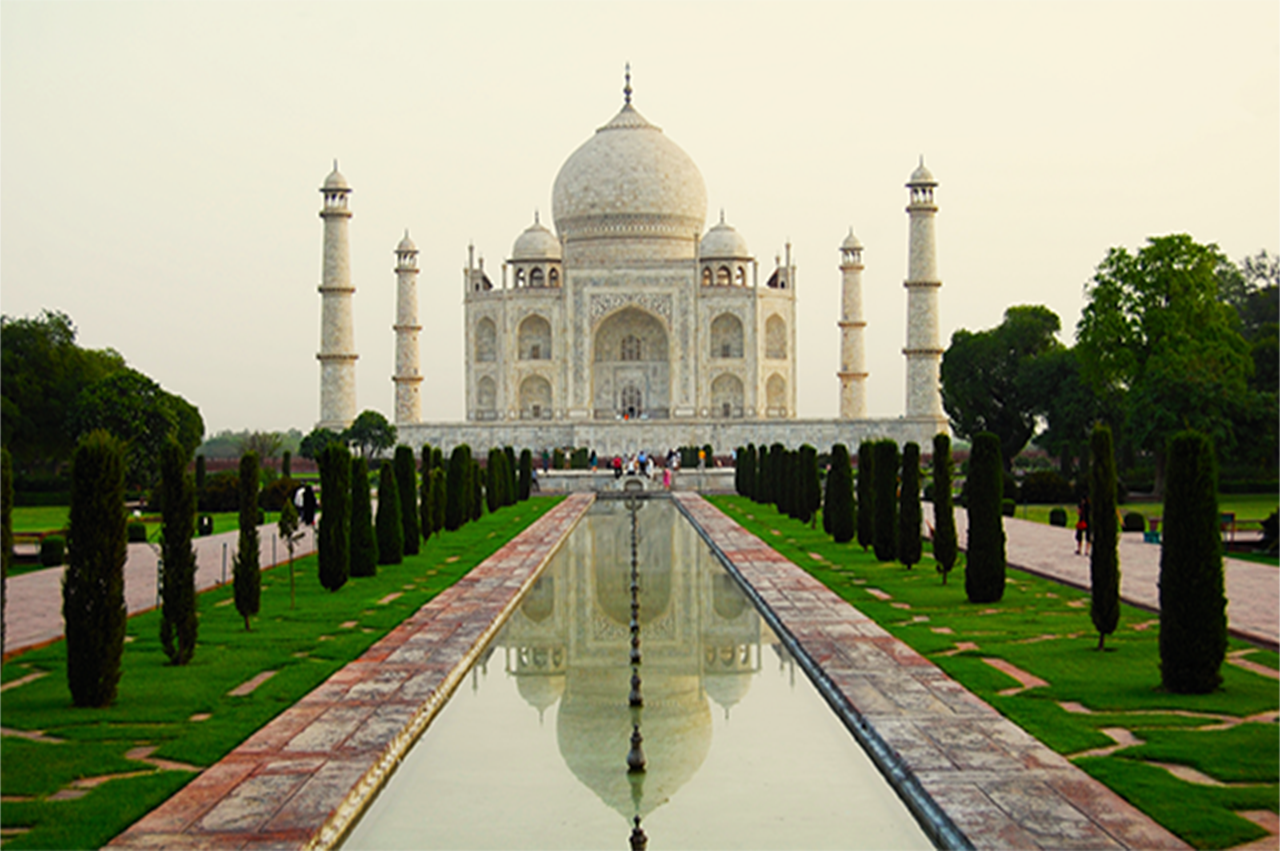
In ancient times, stone bore not just architectural weight, but a civilization’s faith and memories.
2. Stone and Art: Dialogue Between Nature and Craftsmanship
Every stone has a "personality": marble’s flowing veins, granite’s solid grains, sandstone’s weathered texture. Artists understood this "natural language" and turned stone into an extension of art with craftsmanship.
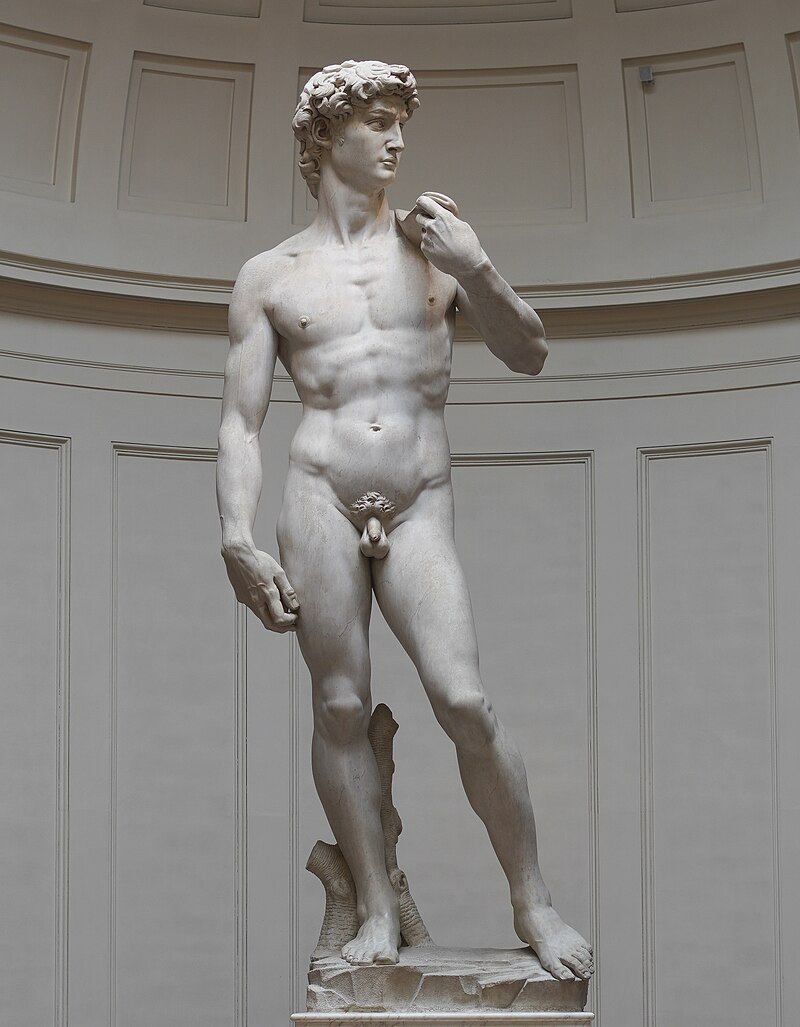
• Ancient Art: During the Renaissance, Michelangelo created David from Carrara marble—its delicacy brought the sculpture to life. At Versailles, stone column carvings of myths turned cold stone into "storytelling walls".
• Modern Design: Contemporary designers balance "nature and refinement"—e.g., using sandstone with original texture for restaurant walls (paired with warm light for a "back-to-nature" vibe) or polished black marble for exhibition stands (to highlight exhibits).
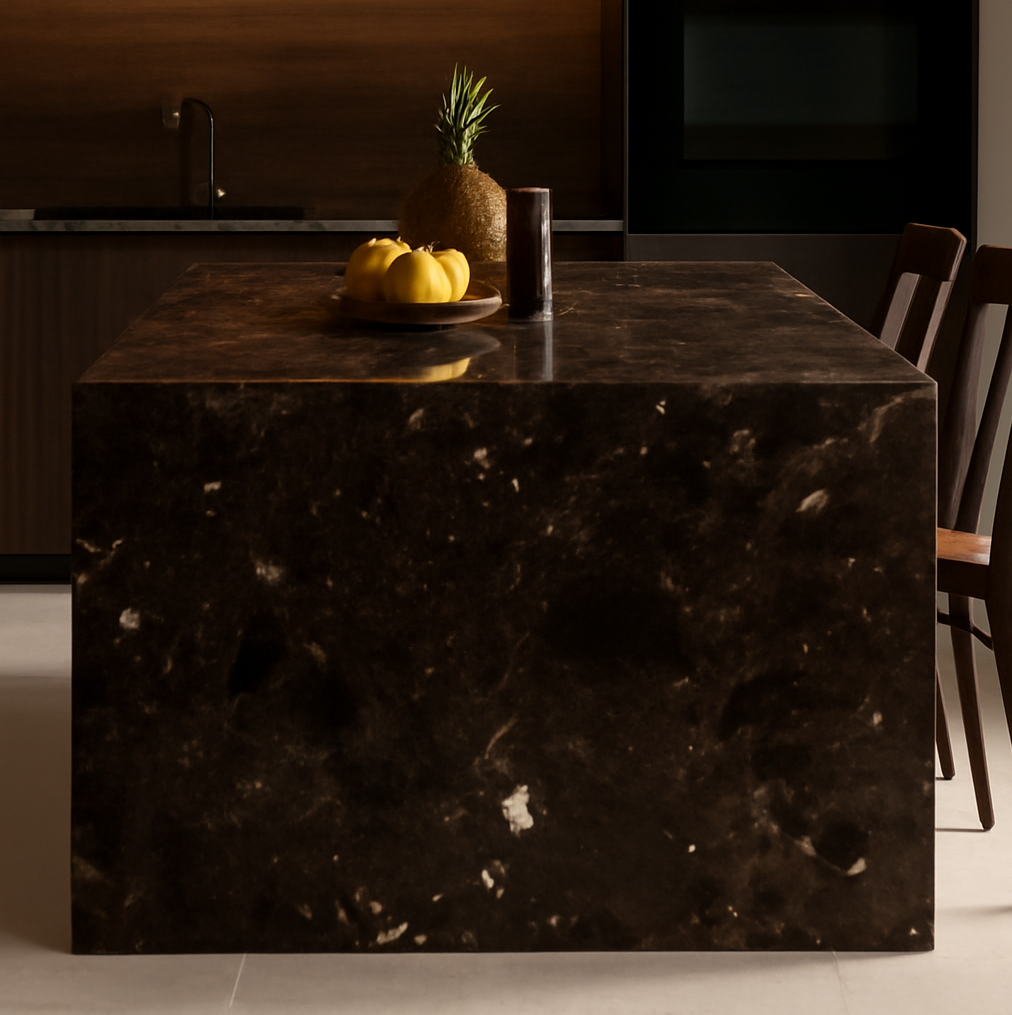
Stone is a gift from nature; craftsmanship turns it into timeless art.
3. The Spirit of Stone in Modern Architecture: Inheritance & Innovation
Contemporary architects preserve stone’s "cultural genes" while reviving it with new technologies and materials—inheriting its spirit, innovating its form.
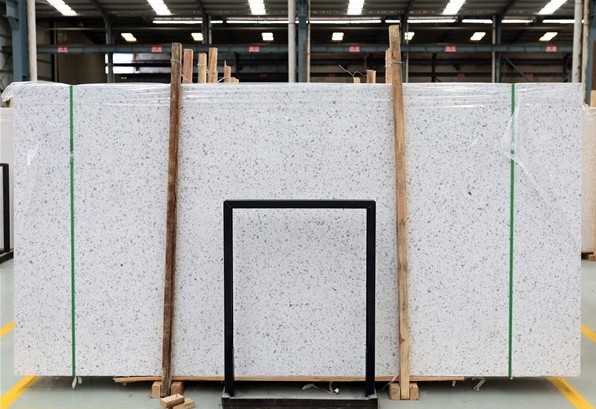
• Sustainability: As "green architecture" gains traction, recycled and low-carbon engineered stone (e.g., Yuanda’s recycled terrazzo, with 30%+ recycled chips) are popular—retaining texture while cutting natural resource use.
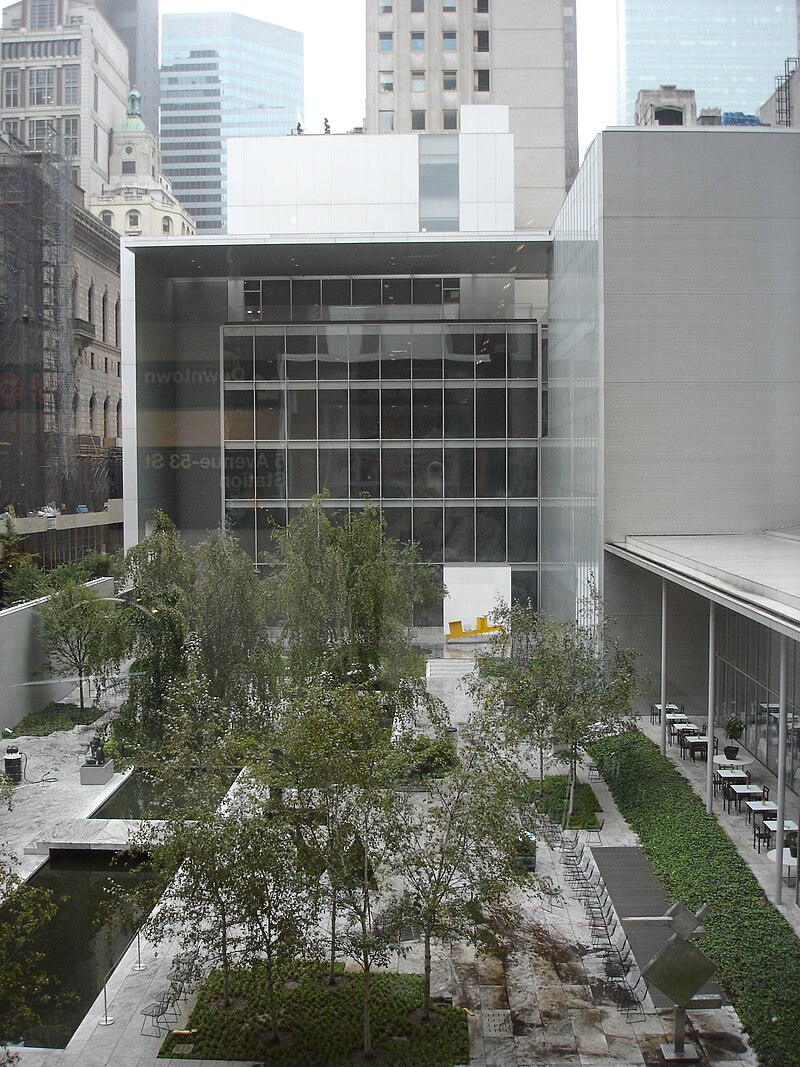
• Material-Scenario Integration: New York’s MoMA expansion uses matte gray granite facades, contrasting with glass curtain walls to honor history and showcase modern art. A Dubai luxury hotel uses translucent engineered stone for partitions, creating "modern romance" with light spots.
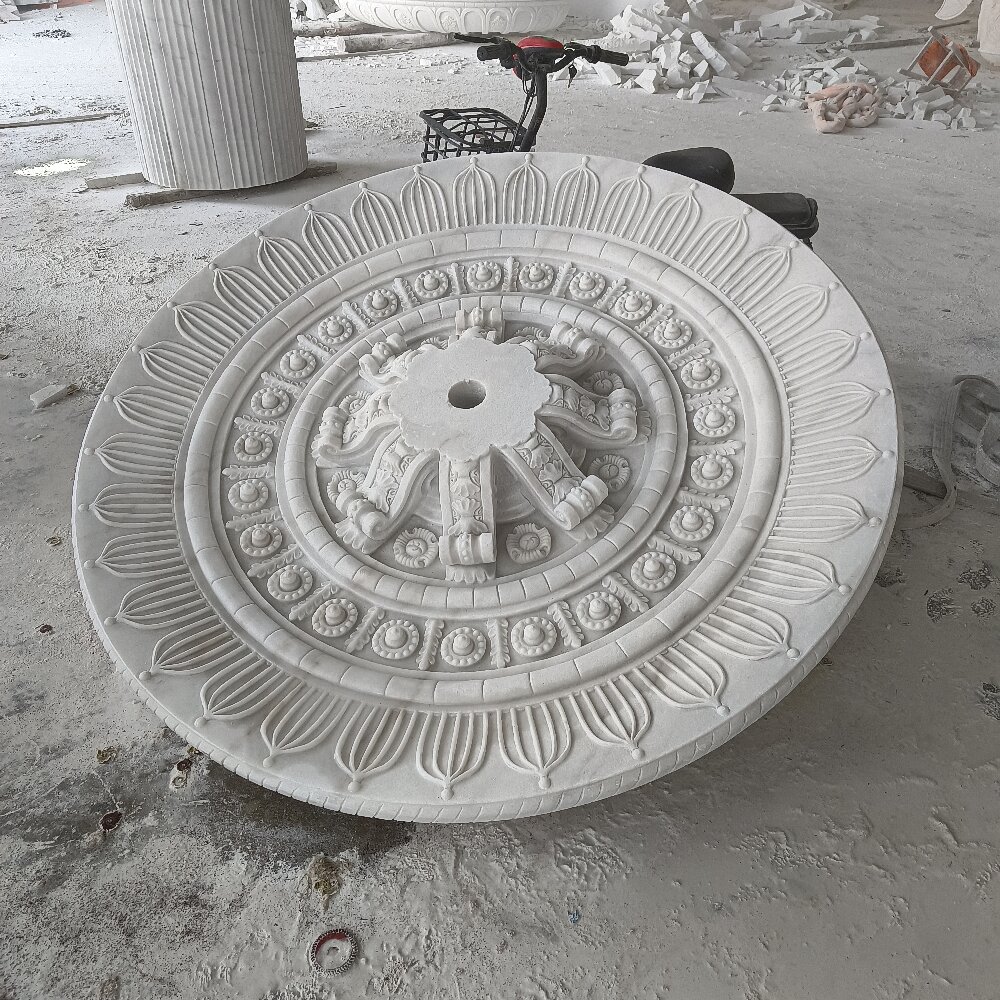
• Yuanda’s Innovations: We adapt traditional stone to modern spaces via "custom cutting" and "finish improvement"—e.g., replicating classical marble veins on large-format engineered stone for seamless commercial spaces, or customizing "art-carved stone" to turn walls into cultural displays.
4. Stone as a Cultural Legacy: The Eternal Soul
Stone’s enduring charm lies in its timeless nature. Ancient temple stones bear cultural scars, while modern landmarks showcase innovative designs. Across eras, stone preserves civilization’s legacy.
Yuanda views stone as a vessel of history and artistry—carrying the warmth of Greek sunlight, the grains of Egyptian sand, and the spirit of modern sustainability.
Our mission is to give these stories new life through enduring architectural masterpieces.
Want "storytelling stone" for your project? Contact us for culture-aligned stone recommendations and custom solutions—to awaken your building’s soul through stone.