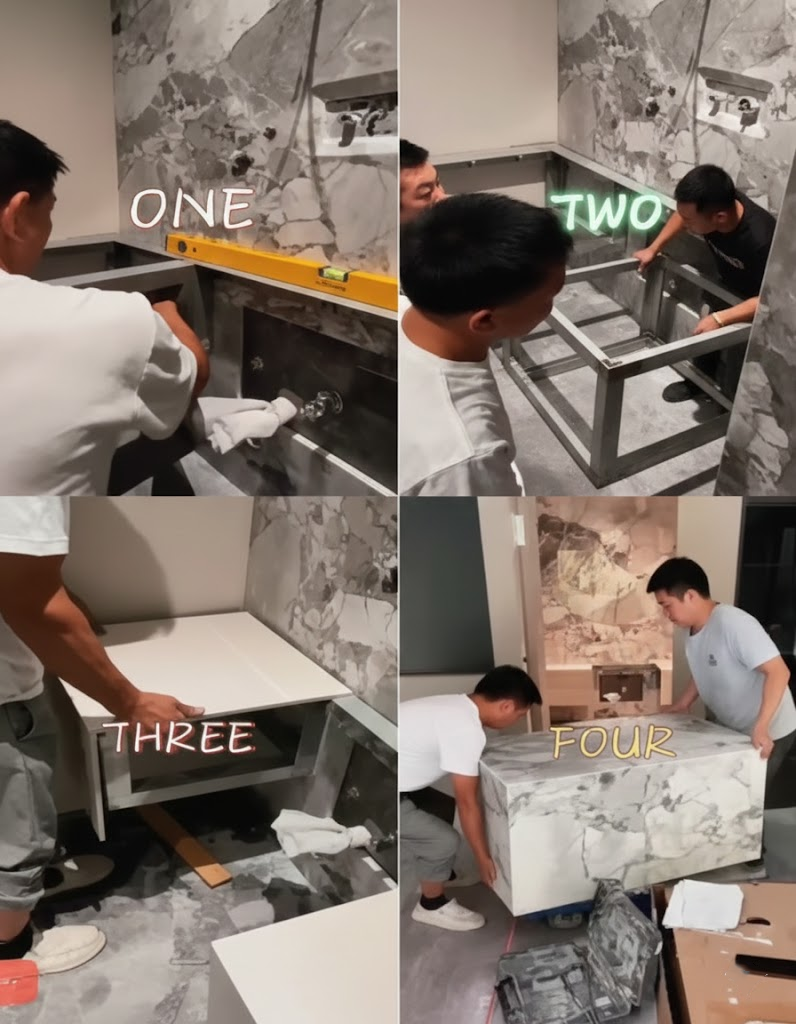
Dry-hanging method
Principles and Advantages: Dry-hanging method is currently a commonly used approach in stone installation. The principle is to fix the stone to the structure of the building through metal hangers, without relying on bonding materials such as cement mortar. This method has significant advantages.
Firstly, it avoids problems such as hollowing and cracking of stone caused by the hydration heat and dry shrinkage deformation of cement mortar in the traditional wet-laying method, greatly improving the quality and durability of stone installation. Secondly, the dry-hanging method has a fast construction speed and can effectively shorten the construction period, especially suitable for large-scale construction projects.
In addition, the air layer formed between the stone and the wall has excellent heat insulation and sound insulation effects, enhancing the performance of the building in use.

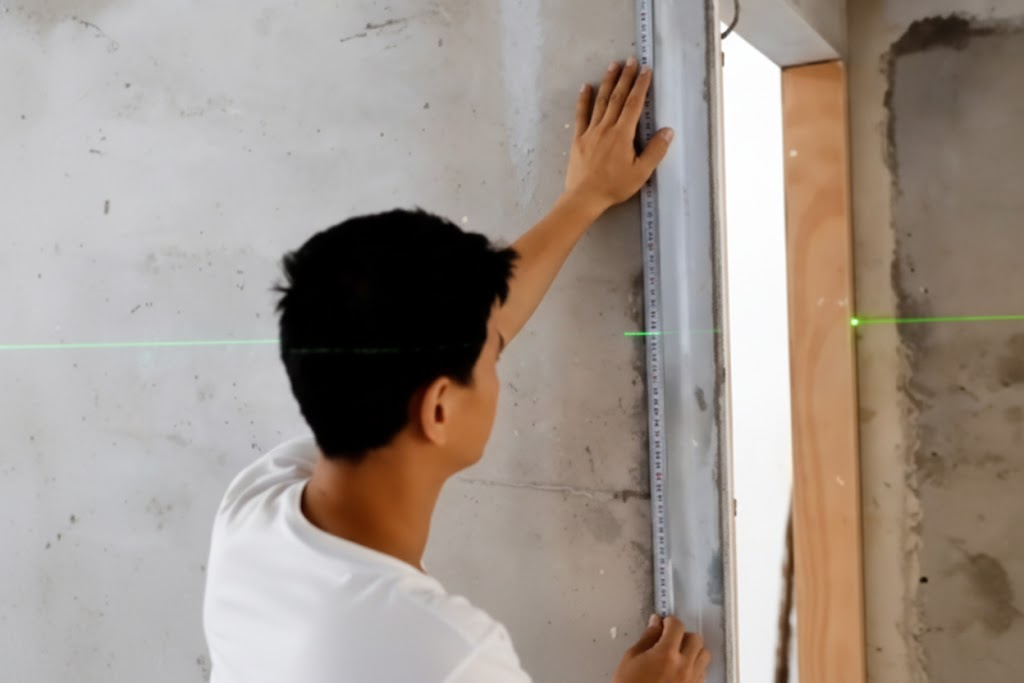
Construction process: Measurement and layout: Based on the design drawings and the actual situation on site, use measuring tools such as theodolites and levels to precisely mark the position lines and horizontal control lines for stone installation on the structure of the building. This step is the key to ensuring the accurate installation position of the stone, and the error should be controlled within an extremely small range.
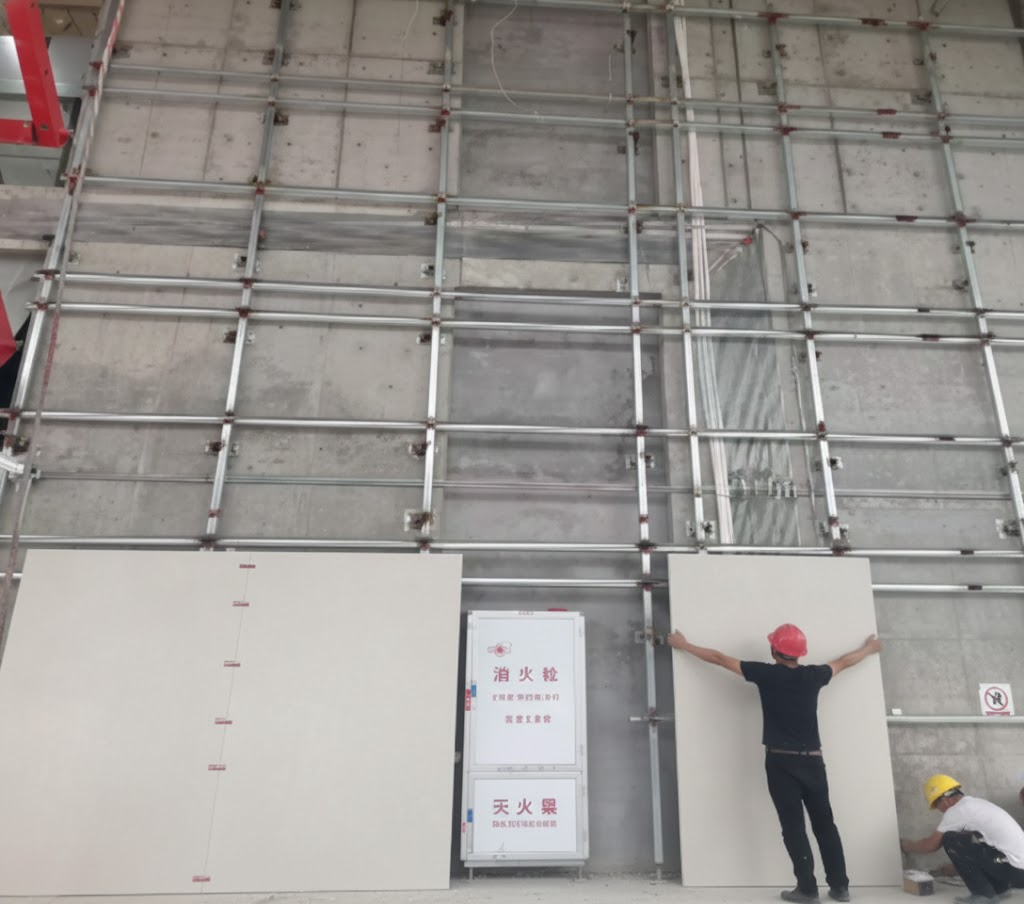
Keel installation: Install vertical and horizontal keels according to the marking position. The installation of the keel must be firm and flat, and its spacing should be reasonably designed according to the size and weight of the stone.
Installation of hangers:Install metal hangers on the keel. The type and specification of the hangers should be selected based on the thickness and weight of the stone. The installation position of the hangers should be accurate and match the reserved holes or grooves on the stone.
Stone installation: Hoist the stones to the installation position in the order of their numbers and connect and fix them to the keel through hangers. During the installation process, pay attention to the levelness and verticality of the stone. The gap widths between adjacent stones should be uniform and consistent, with errors not exceeding the specified range.
Sealing treatment: After the stone installation is completed, the gaps between the stones should be sealed. Generally, weather-resistant sealant is used for filling. The sealant should have good elasticity and weather resistance. The filling should be full and flat to prevent rainwater, dust, etc. from entering the gaps, which may affect the appearance and service life of the stone.
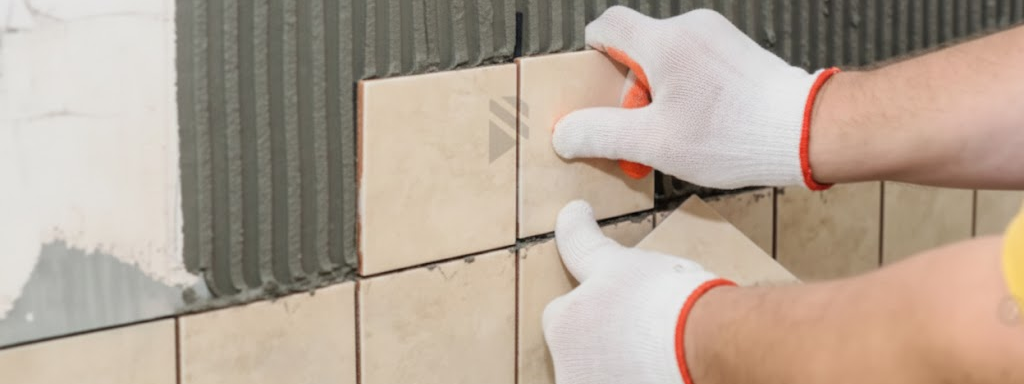
Wet stick
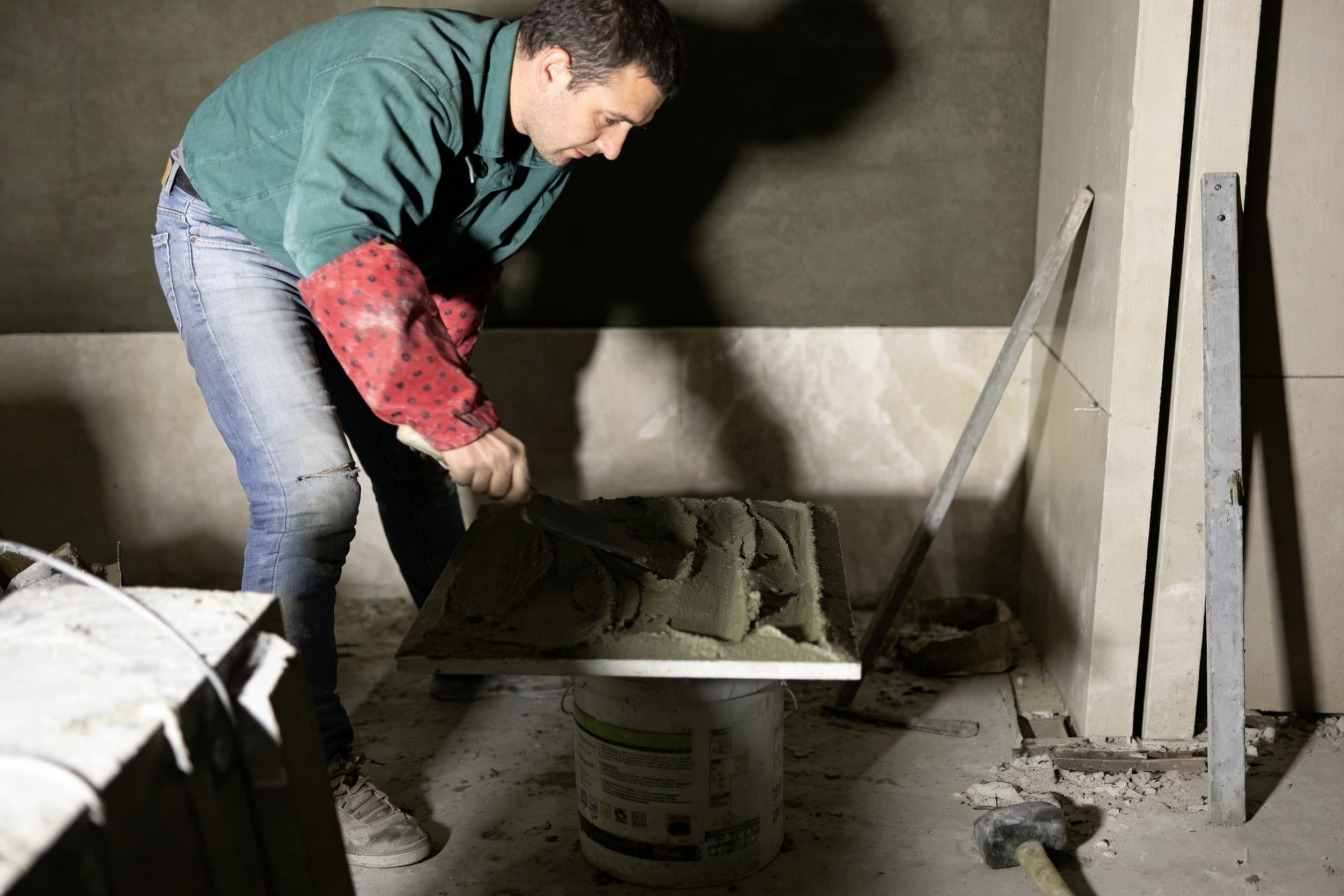
The wet stick method is a traditional way of installing stone materials. Its principle is to adhere the stone to the base layer of the building through cement mortar. This method is suitable for the installation of small areas of stone such as interior walls and floors, as well as some projects that do not have high requirements for decorative effects but are sensitive to costs. The advantage of the wet-sticking method is that the construction process is simple and the cost is relatively low. However, its disadvantages are also quite obvious, such as the easy occurrence of quality problems like hollowing and cracking, and the relatively slow construction speed.
Adhesive bonding method
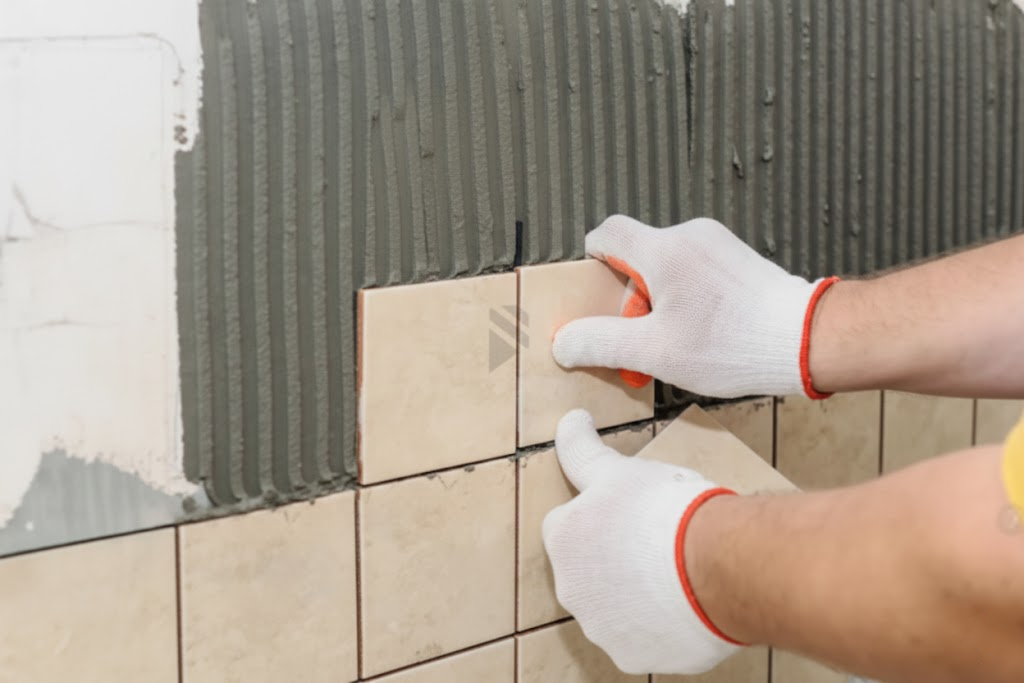
Adhesive bonding is an installation method that uses special stone adhesives to adhere stone to the base layer. This method is characterized by high bonding strength, fast curing speed and convenient construction. It is especially suitable for the installation of some special-shaped or small-sized stones, as well as places with high requirements for the construction environment. The adhesive bonding method can effectively prevent the erosion of stone caused by the alkaline substances in cement mortar in the wet-laying method, protecting the beauty and performance of the stone.
Summary
Different stone installation methods have their own advantages and disadvantages. In actual construction, factors such as the type of stone, installation location, project requirements and cost should be comprehensively considered to select the most suitable installation method, so as to ensure the quality and effect of stone installation. Meanwhile, during the construction process, operations must be carried out strictly in accordance with the construction techniques and quality standards. Quality control and safety management should be strengthened to create a beautiful and durable stone decorative effect for the building.