
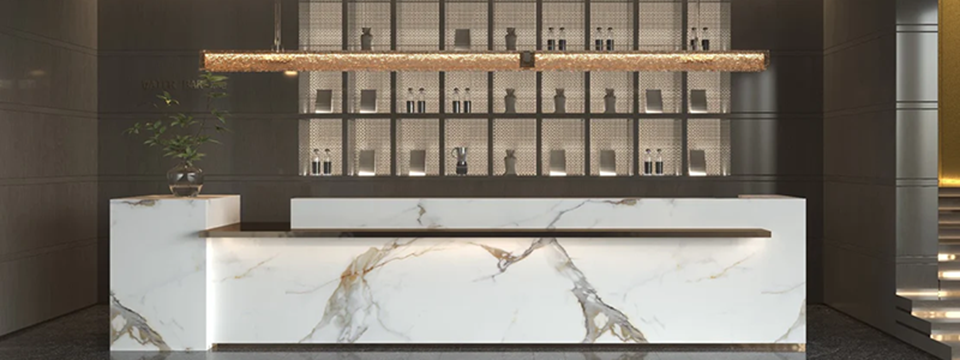
1. Natural Stone vs Engineered Surface
Quartzite
100% natural stone
Formed when sandstone transforms under heat and pressure
Quarried in large blocks and cut into slabs
Quartzite is valued for its natural patterns and durability.
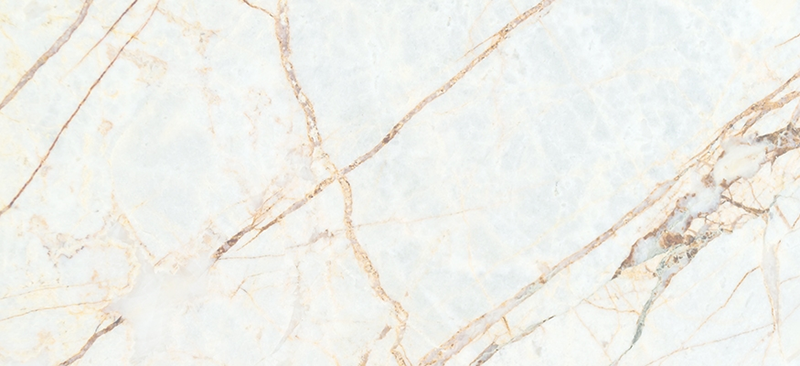
Quartz
Engineered surface material
Made from crushed quartz minerals
Mixed with resin and pigments
Manufactured in controlled factory conditions
Quartz surfaces are designed to offer consistent color and pattern.
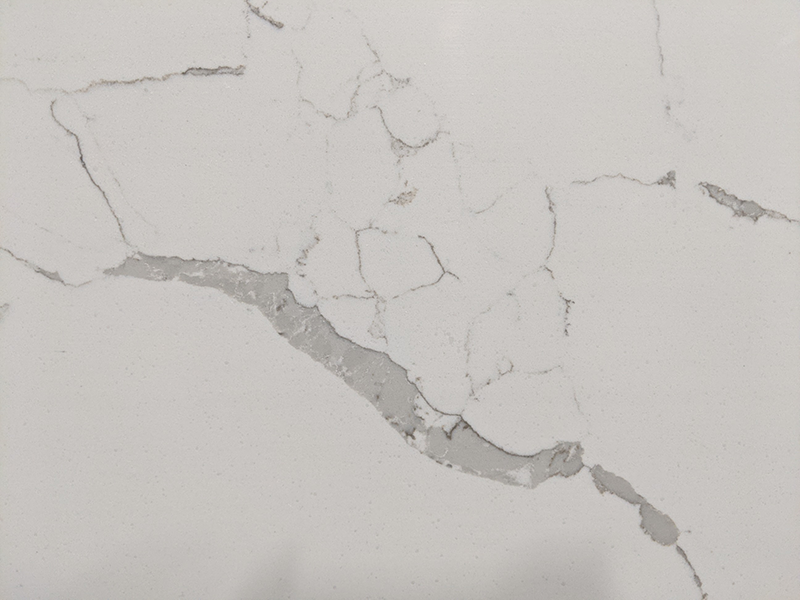
2. Durability and Performance
Quartzite
extremely hard natural stone
highly resistant to heat
suitable for high-use surfaces
Common uses:
kitchen countertops
commercial surfaces
restaurant bars
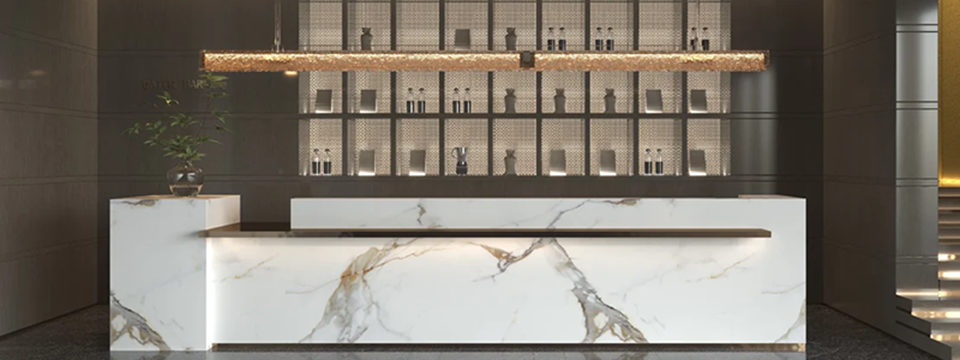
Quartz
strong engineered material
resistant to stains
generally lower heat resistance than natural stone
Quartz is widely used in:
residential kitchens
bathroom countertops
interior furniture surfaces
4. Maintenance
Quartzite
sealing is usually recommended
easy daily cleaning
durable long-term performance
Quartz
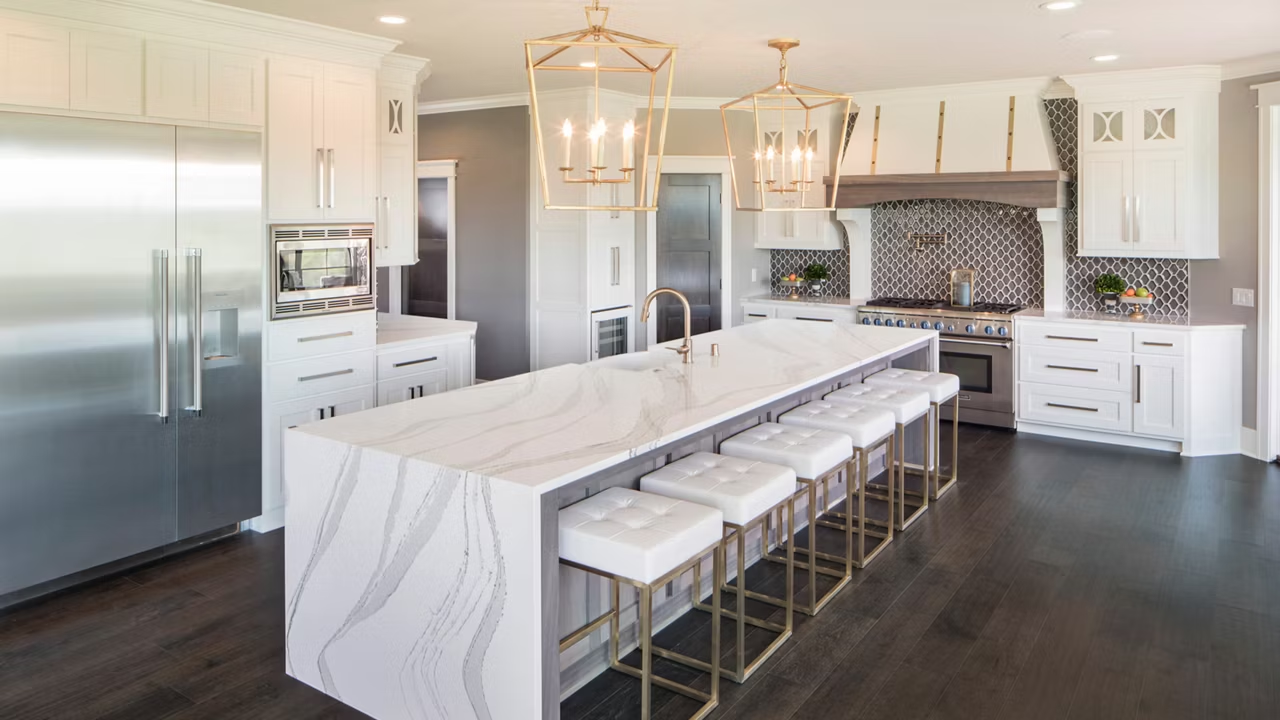
non-porous surface
no sealing required
simple maintenance routine
Conclusion
Although quartzite and quartz sound similar, they come from completely different origins.
Quartzite is a natural stone with unique veining and excellent heat resistance.
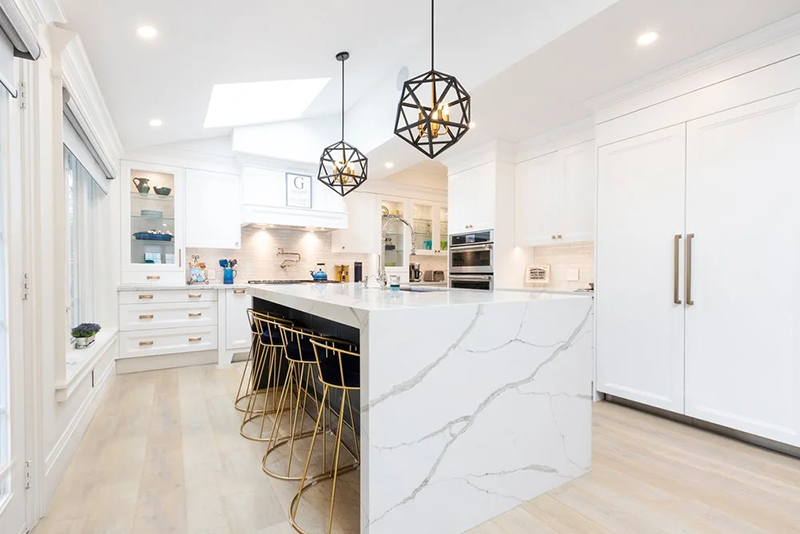
Quartz is an engineered surface known for consistent patterns and easy maintenance.
Choosing between them depends on whether a project prioritizes natural stone character or manufactured consistency.